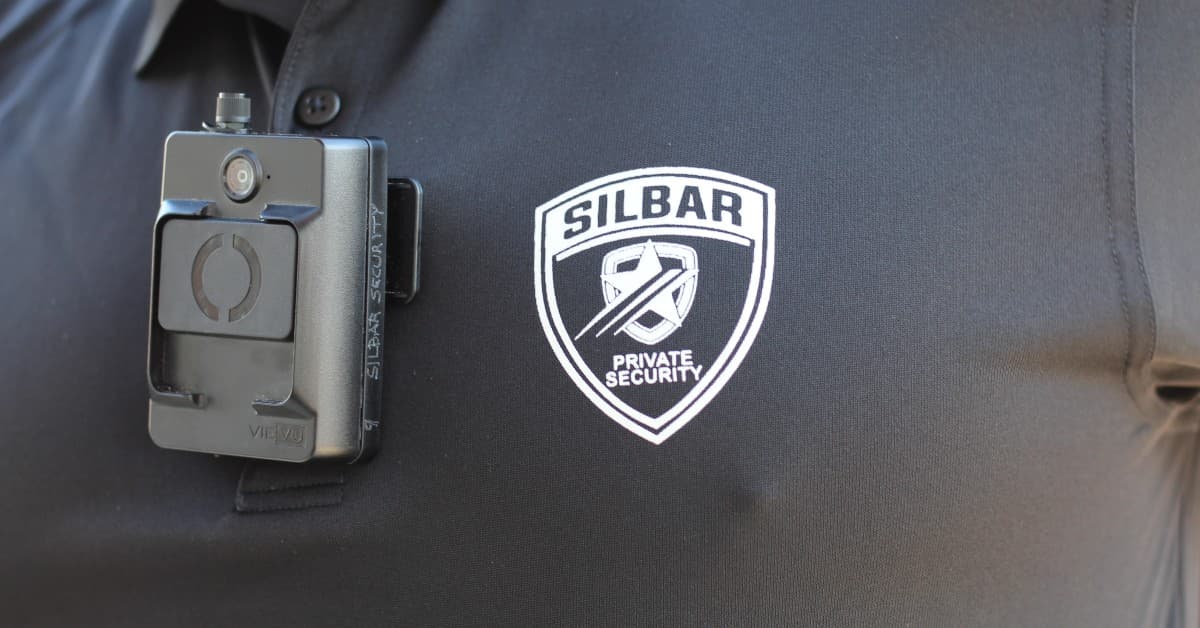
One of the most common misconceptions in security is that guards possess police-like authority. They do not. Understanding what a security guard can and cannot legally do is essential — for businesses that want effective, lawful protection, and for anyone who interacts with security personnel. The reality is more nuanced than most people assume, and getting it wrong exposes both guards and the businesses that employ them to serious liability.
Security Guards Are Classified as Private Citizens
The foundational principle is this: a security guard is, in the eyes of the law, generally a private citizen. Their authority comes not from the government but from the property owner who hires them and the contract that governs their work. Unless a specific statute grants additional powers, a guard has no more legal authority than any other private person — plus the property-based rights that come from representing the owner. That single fact shapes everything else.
What Security Guards Can Do
Within those limits, guards have meaningful and useful authority. They can observe and report — the core of the job — documenting suspicious activity and alerting the appropriate parties. They can enforce the rules of the property they protect, including asking people to leave. When someone refuses to leave private property after being asked, they become a trespasser, and the guard can initiate trespass procedures, typically involving a formal warning followed by contacting law enforcement. Guards can request identification (though not compel it without cause), deny entry to those without authorization, and call the police when criminal activity occurs.
Guards also have limited authority to detain in narrow circumstances, and to use reasonable force to defend themselves or others from an imminent threat.
Citizen's Arrest: The Limits
The power people ask about most is the citizen’s arrest — and it is far more constrained than television suggests. Broadly, a private person, including a security guard, may detain someone under citizen’s-arrest principles only when strict conditions are met: the guard must have directly witnessed the crime (or have very strong evidence such as clear camera footage), not merely suspected it; the offense is typically limited to a felony or, in some states, certain breach-of-peace offenses; and the sole purpose is to hold the person briefly, until police arrive, with authorities contacted immediately.
Detention on a mere hunch is unlawful. Holding someone for an unreasonable time, or in an unreasonable manner, invites liability. A related doctrine, the shopkeeper’s privilege (or merchant detention), exists in many states and allows a business or its agents to detain someone reasonably suspected of theft for a reasonable time and in a reasonable manner — but its specifics, too, vary by jurisdiction.
Use of Force: Reasonable and Proportional
When force is justified — in self-defense, defense of others, or during a lawful detention — it must be reasonable, necessary, and proportional to the threat. A guard may use minimal force to remove a trespasser or prevent an escape during a lawful citizen’s arrest, but excessive force that causes serious injury when the person is not an active threat crosses a legal line. Deadly force is reserved for the narrowest of genuine, imminent life-threatening situations. The standard is always the minimum force required.
What Security Guards Cannot Do
The prohibitions are just as important as the powers. Security guards generally cannot make arrests the way police do, cannot conduct searches without consent, cannot detain someone based on suspicion alone, cannot use excessive force, and cannot impersonate law enforcement. In most states they cannot handcuff individuals, and they cannot carry firearms unless specifically licensed as armed officers under applicable law.
Why This Matters for Your Business
Overstepping these boundaries doesn’t just harm the individual involved — it exposes your business. Improper detention can lead to claims of false arrest or false imprisonment; excessive force can lead to assault and battery claims; and either can result in civil lawsuits, criminal charges, licensing action against the guard, and reputational damage. This is precisely why professional training matters so much. A well-trained officer knows not only what they are permitted to do, but when restraint is the wiser and lawful choice.
The Importance of Jurisdiction
A crucial caveat runs through all of this: these rules vary significantly from state to state. Citizen’s-arrest standards, shopkeeper’s-privilege provisions, use-of-force law, and licensing requirements differ across jurisdictions and change over time. A responsible security provider trains its officers on the specific laws where they operate.
At Silbar Security, our officers are fully licensed, trained, and grounded in the professional standards that come from our law-enforcement foundation — including a clear understanding of the legal limits of their authority. That knowledge protects our clients as much as it protects the public.
Effective security isn’t about acting like the police — it’s about operating skillfully and lawfully within the real authority a guard has. Knowing where those lines fall is what separates a professional operation from a liability.