No single security measure protects a property completely. A camera can see but cannot intervene. A guard provides judgment and presence but cannot be everywhere at once. A patrol covers ground efficiently but isn’t stationed continuously. The most effective security programs recognize these limits and combine multiple layers into a hybrid model — one where each component compensates for the others’ blind spots. For businesses and property managers seeking genuine, cost-effective coverage, the hybrid approach is the modern standard.
Why No Single Solution is Enough
Every security tool has a gap. Rely on cameras alone, and you have a recording of a crime rather than a prevented one. Rely on a single stationary guard, and you protect one point while the rest of the property goes unwatched. Rely on occasional patrols, and you accept windows of time when no one is present. Sophisticated criminals probe for exactly these gaps. A hybrid model closes them by design, layering measures so that a weakness in one is covered by the strength of another — the security equivalent of defense in depth.
The core components
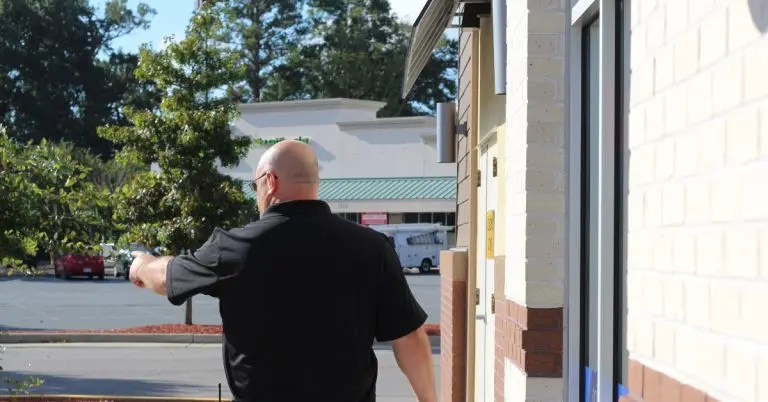
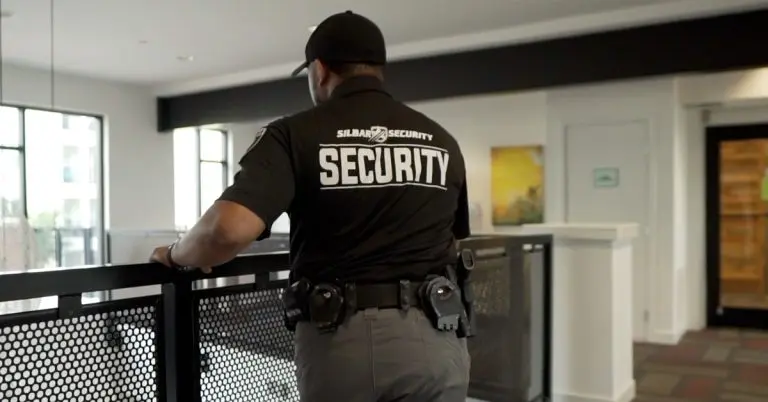
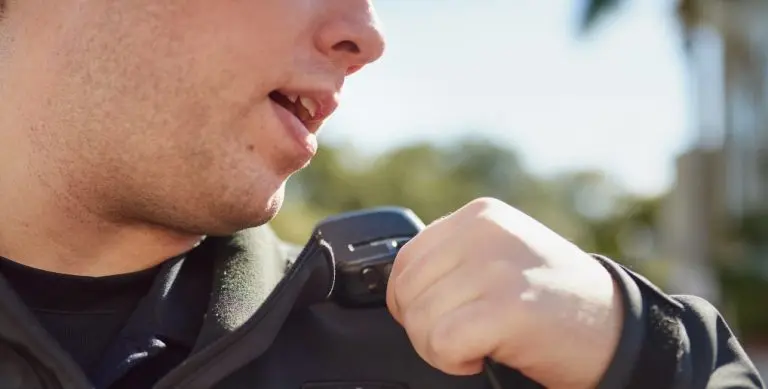
On-site security officers: bring what no technology can replicate: human judgment, visible deterrence, and the ability to respond, de-escalate, and make decisions in real time. A guard can assess a situation, interact with people, and take appropriate action on the spot. Officers are the right choice where a continuous physical presence matters — controlled access points, high-traffic sites, and locations with elevated risk.
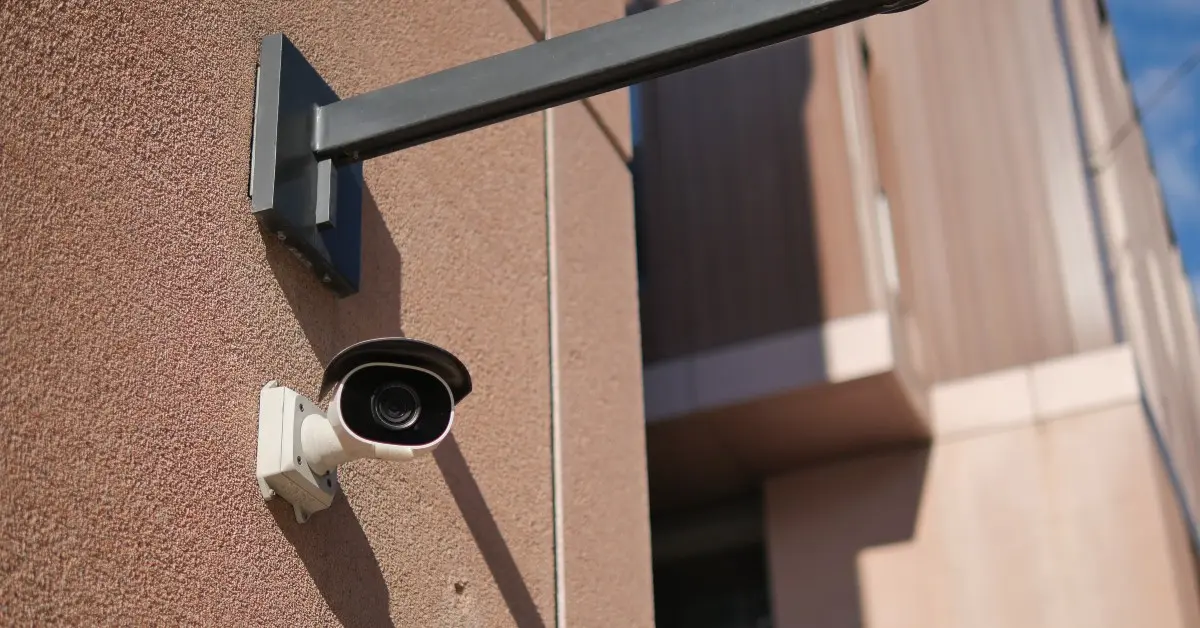
Cameras and remote video surveillance: extend coverage far beyond what a guard can watch, providing continuous monitoring, a deterrent presence, and an objective evidentiary record. Modern remote video systems add motion detection and instant alerts, allowing a monitored property to be watched around the clock — often at a fraction of the cost of continuous on-site staffing, which makes them ideal for job sites, warehouses, retail centers, and after-hours coverage.
Mobile vehicle patrols: deliver visible, unpredictable coverage across large or multiple properties. Marked patrol vehicles making randomized visits create strong deterrence — a would-be criminal can’t predict when an officer will appear — and provide a cost-effective way to protect sites that don’t warrant a full-time guard. Patrols are especially valuable for expansive properties, multiple locations under one owner, and overnight security.
Access control and license plate recognition: form a technological perimeter, governing who and which vehicles enter in the first place and generating logs that support both prevention and investigation.
How the Layers Reinforce One Another
The power of the hybrid model is in the interplay. Cameras detect activity and alert a patrol to respond. Access control limits entry while officers manage exceptions and confront anyone who bypasses it. Patrols cover the ground between fixed posts. Body cameras and reporting document everything. A determined intruder who defeats one layer runs into the next, and the odds of prevention — rather than mere documentation — rise sharply.
Designing a Program Around Your Property
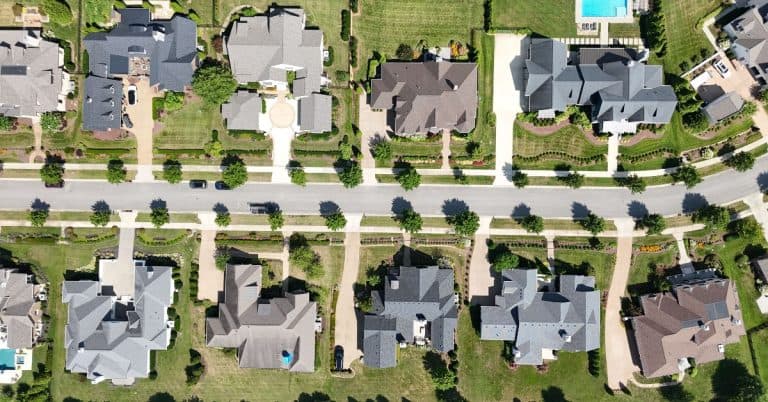
There is no universal hybrid formula; the right mix depends on your property, risks, and budget. A large construction site might combine remote video surveillance with overnight vehicle patrols. A gated community might pair access control and license plate recognition at the gate with roving patrols inside and a guard during peak hours. A retail center might station officers at key points, blanket the property with cameras, and add patrols after closing. The starting point is always a professional assessment that identifies where your vulnerabilities actually lie, so resources go where they matter most rather than being spread thin.
The Cost-Efficiency Advantage
Beyond stronger protection, hybrid models are often more economical than the alternatives. Stationing guards everywhere is expensive; relying solely on cameras leaves you exposed. Blending a targeted human presence with technology and patrols delivers comprehensive coverage at a more sustainable cost, directing the most expensive resource — people — to where human judgment is genuinely needed, while technology and patrols handle breadth.
At Silbar Security, the hybrid approach is built into what we offer: armed and unarmed officers, our flagship roving vehicle patrols in marked police-grade vehicles, and remote video surveillance with real-time mobile alerts. Founded by law enforcement, we design layered programs tailored to each property rather than selling a single service. Learn more by visiting our services page.
Full coverage doesn’t come from any one tool. It comes from combining the right ones, so that where a camera’s view ends, a patrol begins — and where technology reaches its limit, a trained officer takes over.