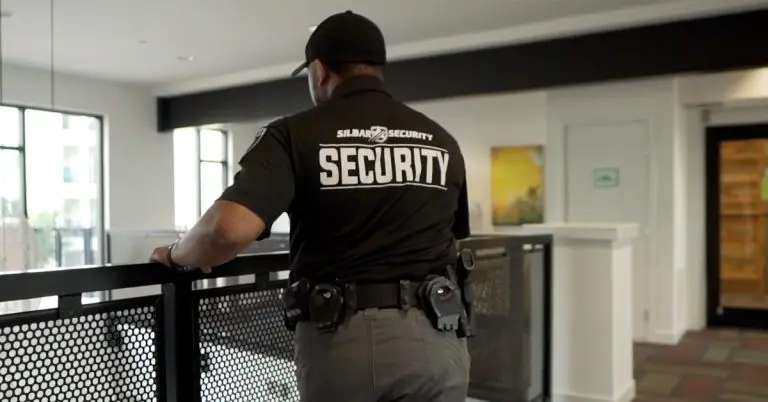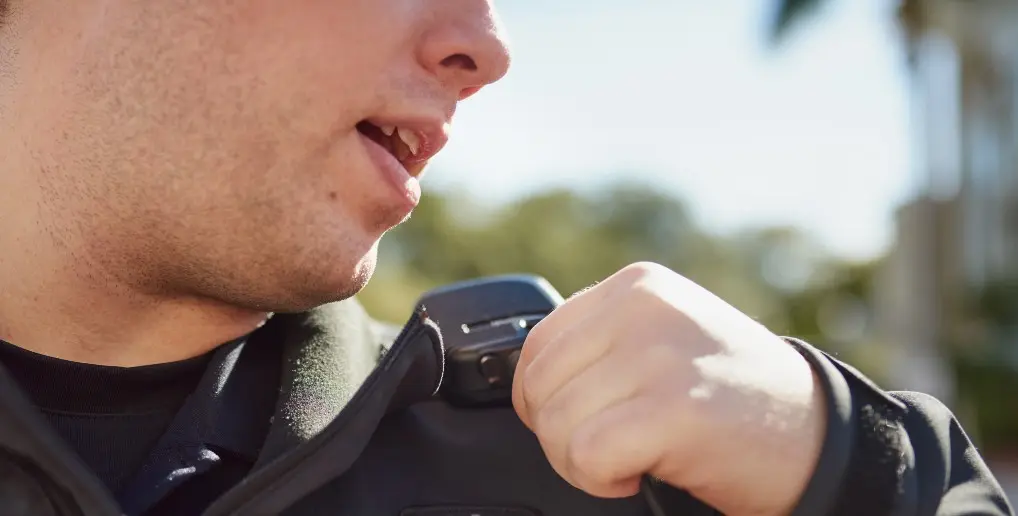
Body-worn cameras were once associated almost exclusively with police officers. Today, they are increasingly standard equipment in private security, and for good reason. If you are evaluating a security provider, whether guards wear body cameras — and how the resulting footage is handled — is a question worth asking. The answer reveals a great deal about a company’s professionalism, accountability, and commitment to protecting your interests.
THE SHORT ANSWER
Yes — a growing number of professional security companies now equip their officers with body-worn cameras, and the industry is moving steadily toward this becoming the norm rather than the exception. The shift is driven by client demand, competition among providers, and a broad recognition that objective documentation benefits everyone involved. For clients, a provider that deploys body cameras is signaling that it takes accountability seriously.
WHY BODY CAMERAS MATTER
The advantages are substantial and align directly with what clients care about. First and most important is objective evidence. When an incident occurs on your property — a confrontation, an allegation, an injury — body-camera footage provides an impartial record of exactly what happened, rather than relying on conflicting accounts after the fact.
Second, cameras promote accountability and better behavior on both sides of an interaction. People tend to act more reasonably when they know they are being recorded, which means fewer altercations and more effective de-escalation. Some private security deployments have reported dramatic reductions in assaults on officers after introducing body cameras.
Third, footage protects your business. A recorded encounter is a powerful safeguard against frivolous complaints and unfounded lawsuits, which can otherwise become expensive he-said-she-said disputes. If someone claims a guard acted improperly, the footage either substantiates or dispels the allegation quickly. Finally, cameras enhance officer safety and professionalism, supporting the written reports that document activity on your property.
THE PRIVACY AND LEGAL CONSIDERATIONS
Body cameras also come with responsibilities, and a reputable provider will have thought them through. The most important nuance is audio. While recording video in public areas and on private commercial premises is generally permissible, audio recording is more legally sensitive, and consent requirements vary from state to state. There are also spaces where people have a reasonable expectation of privacy — restrooms, changing areas, and private residences — that should remain off-limits.
Good practice includes notifying people that recording may occur, often through posted signage, and activating cameras only when appropriate rather than continuously. A professional security company will have a clear body-camera policy governing when officers record, how footage is stored, who can access it, and how long it is retained.
WHAT CLIENTS SHOULD ASK
If body cameras matter to you — and for most businesses they should — put a few direct questions to any provider. Do your officers wear body cameras as standard equipment? What is your policy on when they record? How is footage stored, secured, and retained, and how quickly can it be retrieved if I need it after an incident? How do you ensure compliance with privacy laws in this state? The quality of these answers tells you whether a provider treats documentation as a genuine priority or an afterthought.
STORAGE AND RETRIEVAL MATTER AS MUCH AS THE CAMERA
A camera is only as valuable as the footage you can actually access when it counts. That means reliable storage — typically uploaded at the end of a shift to a secure server or cloud platform — with dependable retrieval and proper data security. When an incident becomes a claim months later, the ability to locate and produce the relevant footage is what turns a camera from a nice feature into real protection.
A WINDOW INTO A PROVIDERS STANDARDS
More broadly, whether a company equips its officers with body cameras — and how thoughtfully it manages the footage — is a useful proxy for its overall professionalism. Body cameras require investment, training, clear policies, and a commitment to accountability that not every provider is willing to make. A company that has embraced them has generally also embraced the mindset behind them: transparency, documentation, and a willingness to have its own officers’ conduct held to an objective standard. That mindset tends to show up everywhere else in the service, too.
At Silbar Security, most of our armed and unarmed officers are equipped with police-grade body-worn cameras as a matter of course. Every encounter with a suspicious person or notable incident is recorded, giving our clients an accurate account of activities on their property, reinforcing officer professionalism, and safeguarding against frivolous complaints and lawsuits. Founded by law enforcement, we built accountability into how we operate.
Body cameras have moved from novelty to expectation in professional security. For clients, they represent transparency, protection, and peace of mind — and knowing how a provider uses them is one of the clearest windows into how seriously that provider takes the job.