When it comes to protecting a business, property, or community, physical security measures are often the first thing that comes to mind. Surveillance cameras, access control systems, and trained personnel are all essential components of a comprehensive security strategy. However, the impact of quality security extends beyond physical protection. There is a significant psychological effect that well-executed security has on employees, customers, residents, and visitors. Understanding these effects can help organizations make informed decisions about investing in security services and creating a safe, confident environment.
How Security Influences Behavior
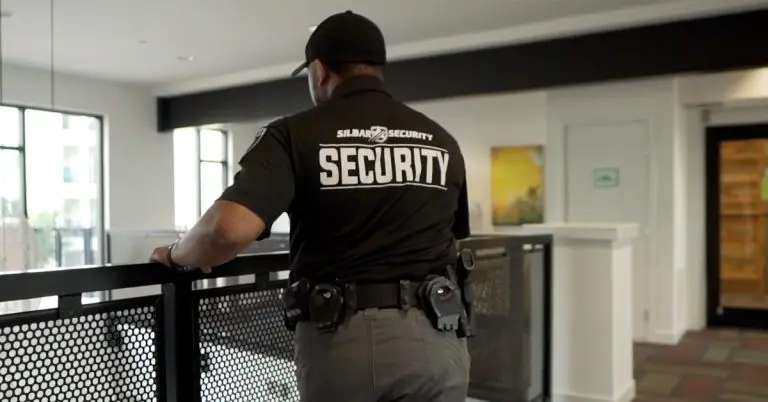
Security presence, whether visible guards, monitored entrances, or surveillance systems, sends a message about safety and professionalism. People respond to these cues subconsciously. When employees, residents, or customers perceive a secure environment, they feel more at ease and can focus on their work, shopping, or daily routines without constant worry about potential threats.
Conversely, a lack of visible security or poorly maintained security measures can create anxiety and distrust. Employees may feel unsafe reporting to work, customers may hesitate to enter a business, and residents might avoid communal areas. In environments such as corporate offices, residential communities, or retail spaces, even minor perceptions of insecurity can negatively impact morale, productivity, and engagement.
Boosting Employee Confidence and Productivity
One of the most significant psychological benefits of quality security is its impact on employees. Workers who feel safe in their environment are more likely to be focused, productive, and engaged. When staff know that trained professionals are monitoring entrances, managing access, and responding to incidents, they spend less mental energy worrying about personal safety or potential theft.
This sense of security also fosters a culture of trust within the workplace. Employees are more willing to collaborate, interact, and participate in workplace initiatives when they feel protected. In high-risk industries or locations, the presence of trained security personnel can also reduce stress and anxiety, contributing to better mental health and overall job satisfaction.
Enhancing Customer and Visitor Experience
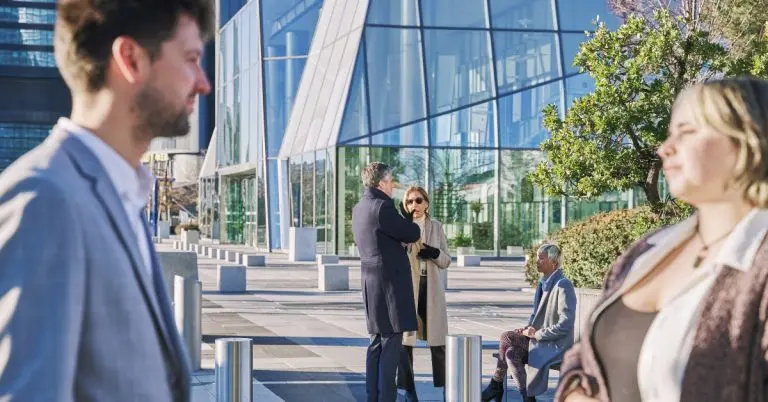
Quality security does more than protect assets; it enhances the overall experience for customers and visitors. In retail environments, for example, customers who feel safe are more likely to spend time browsing, make larger purchases, and return in the future. In office buildings or public spaces, a visible security presence reassures visitors that the organization takes their safety seriously.
The psychological comfort provided by effective security can also reduce incidents of panic or overreaction during emergencies. When people trust that trained professionals are present and prepared to respond, they are more likely to remain calm and follow instructions, which can mitigate risks and ensure smoother operations during incidents.
Deterrence and Perception
Visible, professional security has a powerful deterrent effect on potential criminals. Knowing that trained personnel, monitoring systems, and access controls are in place reduces the likelihood of theft, vandalism, or other criminal activity. This deterrence is not just physical; it has a psychological component that affects decision-making. Individuals with ill intent are less likely to target locations where they perceive a higher risk of being caught.
For organizations, this dual effect – both real and perceived security – enhances overall safety while contributing to a positive reputation. Communities, businesses, and property managers that prioritize security are often seen as responsible, professional, and trustworthy, which further reinforces confidence among employees, residents, and customers.
Creating a Culture of Safety
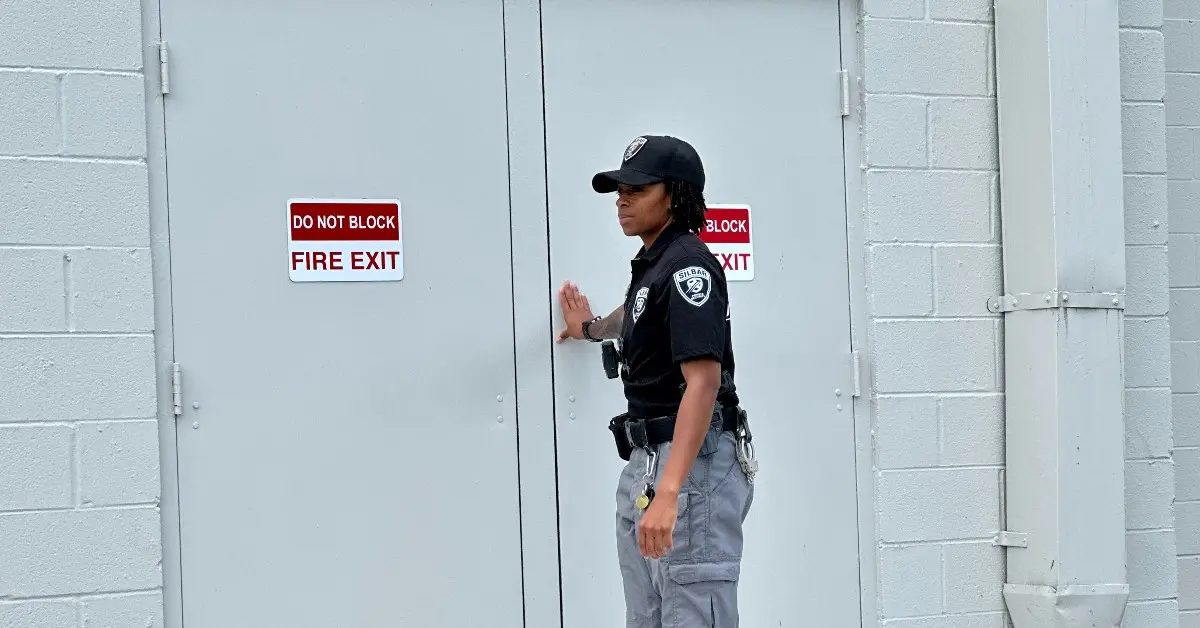
Beyond the presence of guards or technology, quality security contributes to a culture of safety. Organizations that invest in security policies, training, and awareness programs communicate that safety is a priority. Employees learn how to respond to incidents, identify potential threats, and follow established protocols. This proactive approach reduces panic during emergencies and ensures that everyone understands their role in maintaining a secure environment.
The psychological effect of a strong security culture is profound. People feel empowered when they know procedures exist, staff are trained, and risks are managed. This empowerment fosters engagement, reduces anxiety, and builds a sense of community among employees, residents, and visitors.
Conclusion
The benefits of quality security go far beyond protecting physical assets. Well-implemented security has a measurable psychological impact, boosting employee confidence, increasing productivity, enhancing customer experiences, deterring potential criminal activity, and fostering a culture of safety. Businesses, residential communities, and organizations that invest in trained personnel, advanced technology, and comprehensive security programs not only mitigate risks but also create environments where people feel safe, supported, and valued.
Our team at Silbar Security specializes in providing professional security services across the United States. Our trained personnel, modern monitoring solutions, and tailored security plans help organizations protect their people, property, and reputation. By combining physical protection with a focus on psychological safety, Silbar Security ensures that your employees, residents, and visitors feel secure and confident. Contact us today to learn how we can enhance safety and peace of mind for your organization.