Mixed-use properties have become a defining feature of modern urban development. By combining retail, office, and residential spaces within a single site, these properties create vibrant, high-traffic environments that attract tenants, customers, and visitors throughout the day and night.
However, what makes mixed-use properties attractive also makes them uniquely complex to secure. Each component—retail, office, and residential—has distinct risk profiles, access needs, and expectations. Effective security planning must account for all of them simultaneously, without creating friction or disrupting daily life.
In 2026, successful mixed-use security is not about maximum coverage—it’s about intelligent, layered planning.
Why Mixed-Use Properties Present Unique Security Challenges
Unlike single-purpose buildings, mixed-use developments operate on multiple schedules and serve diverse populations.
Common challenges include:
- Public access retail spaces adjacent to private residences
- Office tenants operating during business hours while residents are present 24/7
- Delivery traffic intersecting with pedestrian flow
- Visitors unfamiliar with property rules and layouts
- Increased anonymity that can be exploited by bad actors
Without a cohesive security strategy, these factors can create blind spots that increase risk.
Different Spaces, Different Risk Profiles
One of the biggest mistakes in mixed-use security planning is treating the entire property as a single environment. Each zone requires a tailored approach.
Retail Areas
Retail spaces typically face:
- High foot traffic and public access
- Theft, shoplifting, and organized retail crime
- Disruptive behavior or confrontations
- Increased risk during evenings and weekends
Security here must balance visibility and deterrence without creating an unwelcoming atmosphere for customers.
Office Spaces
Office environments usually require:
- Controlled access during business hours
- Protection of employees, data, and assets
- Monitoring of visitors, contractors, and deliveries
- Reduced staffing needs after hours
The goal is to maintain professionalism, privacy, and continuity without unnecessary intrusion.
Residential Areas
Residential security focuses on:
- Controlled access and resident privacy
- After-hours coverage and overnight presence
- Noise complaints, domestic disputes, or unauthorized access
- Residents’ heightened expectations for safety and discretion
Unlike retail or office tenants, residents experience security as part of their daily lives—not just during work hours.
The Importance of Zoning and Access Control
Effective mixed-use security begins with clear zoning. This means defining where public access ends and private access begins—and enforcing it consistently.
Key considerations include:
- Separate entrances for residential, office, and retail spaces
- Access control systems tailored to each user group
- Clear signage and wayfinding to reduce confusion
- Physical barriers that guide movement without feeling restrictive
Security teams must understand these zones thoroughly to prevent unauthorized movement while assisting legitimate users.
Layered Security: One Size Does Not Fit All
Mixed-use properties benefit most from a layered security model, combining personnel, procedures, and technology.
A well-designed approach may include:
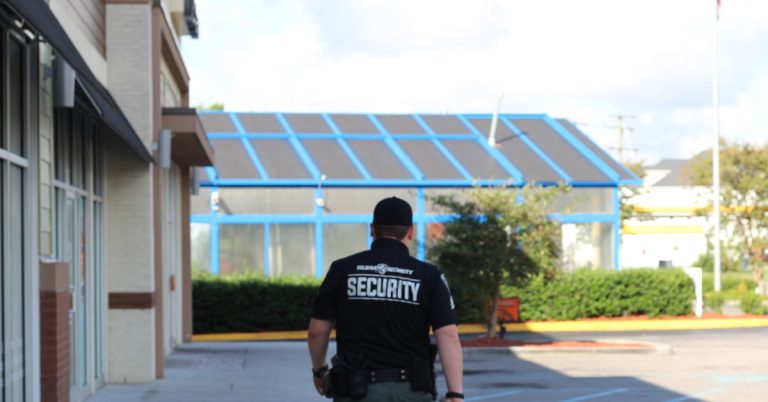
- Visible patrols in retail and common areas
- Access-controlled entry points for offices and residences
- Surveillance systems monitored by trained personnel
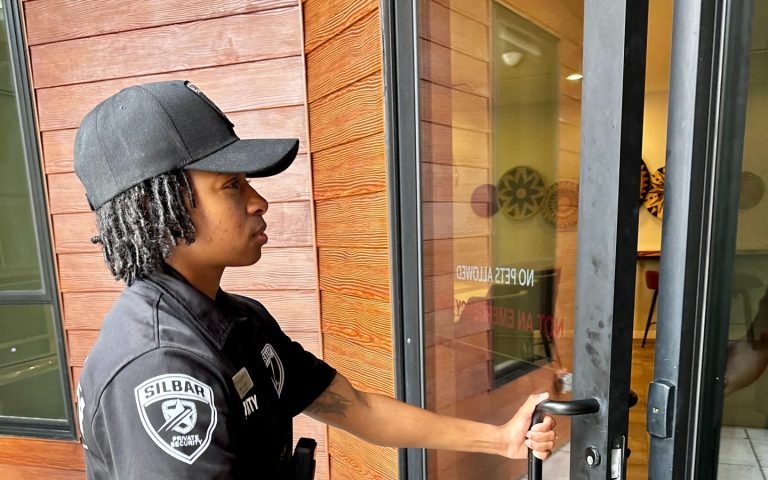
- Concierge-style security for residential lobbies
- Mobile response and supervisor oversight
Each layer supports the others, reducing reliance on any single measure and improving overall resilience.
Staffing for Coverage Across Different Timeframes
Because mixed-use properties operate almost continuously, staffing plans must adapt throughout the day.
Effective security planning accounts for:
- Peak retail hours
- Office arrival and departure times
- Overnight residential needs
- Special events, promotions, or seasonal traffic
Static, minimum-coverage staffing often fails in these environments. Instead, flexible schedules and patrol patterns aligned with real usage patterns provide better protection and cost efficiency.
De-Escalation and Communication Are Critical
Mixed-use properties bring together people with different expectations and stressors. Conflicts may arise between:
- Retail customers and staff
- Residents and visitors
- Tenants and delivery personnel
Security teams must be trained to de-escalate conflicts calmly and professionally, protecting all parties while maintaining a positive atmosphere.
Clear communication is essential—not only during incidents, but also proactively:
- Explaining policies politely
- Assisting visitors who are lost or confused
- Acting as a point of contact for tenants and residents
This human element is often what separates effective mixed-use security from reactive enforcement.
Coordination With Property Management and Tenants
Security planning should never happen in isolation. The most effective mixed-use security programs involve close coordination between:
- Property management
- Retail tenants
- Office management teams
- Residential associations
Regular communication allows security teams to:
- Anticipate operational changes
- Adjust coverage for renovations or new tenants
- Address recurring issues before they escalate
- Align security protocols with property goals
This collaboration ensures security supports the overall success of the property—not just incident response.
Technology as a Force Multiplier, Not a Replacement
Modern mixed-use properties often rely heavily on technology, but technology alone is not security.
The most effective programs use technology to:
- Enhance situational awareness
- Reduce manual workload for guards
- Improve response times and documentation
- Support accountability and transparency
Human judgment remains essential—especially in environments where nuance, discretion, and interpersonal interaction matter.
Planning for Growth and Change
Mixed-use developments evolve over time. New tenants move in, retail offerings change, and resident demographics shift.
Security planning must be flexible enough to:
- Scale staffing as the property grows
- Adjust patrol patterns and access control
- Respond to emerging risks
- Incorporate feedback from tenants and residents
A static security plan quickly becomes outdated in a dynamic environment.
Security as a Value Driver for Mixed-Use Properties
Well-planned security does more than prevent incidents—it enhances the overall value of a mixed-use property.
Strong security contributes to:
- Tenant satisfaction and retention
- Resident confidence and quality of life
- Positive brand perception for the property
- Reduced liability and insurance exposure
In competitive real estate markets, security is increasingly a differentiator—not just a necessity.
Building a Cohesive Security Strategy
Successful security planning for mixed-use properties requires:
- Understanding distinct risk profiles
- Integrating people, processes, and technology
- Adapting coverage to real-world usage
- Partnering with experienced professionals
When done correctly, security becomes an enabler of seamless, safe, and successful mixed-use environments.
Secure Every Layer of Your Property
Silbar Security specializes in designing and managing security programs for complex mixed-use properties. Contact our team to discuss how tailored security planning can protect your retail, office, and residential spaces—without compromise.