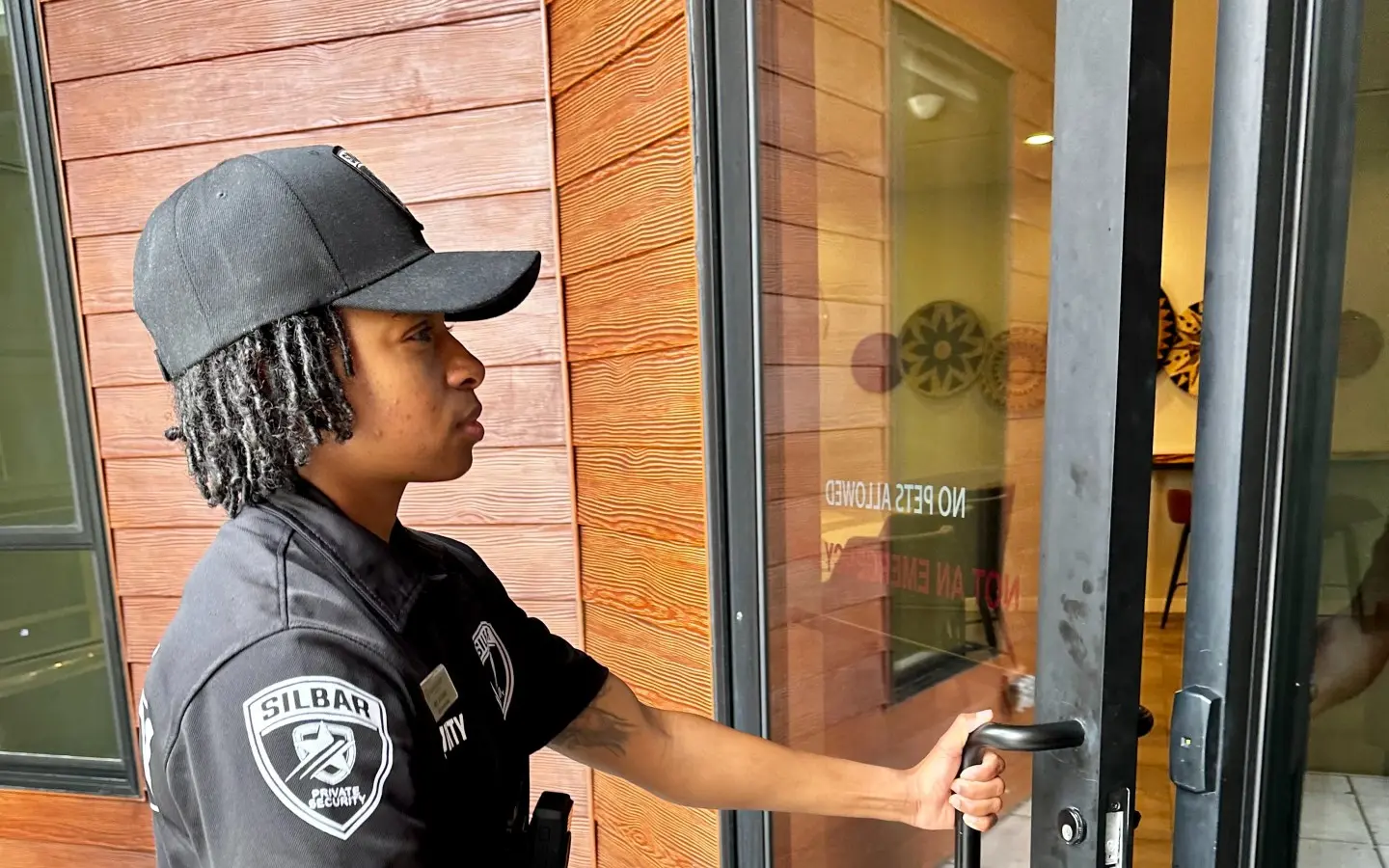
As we move through 2026, the private security industry is facing one of its most complex staffing environments in decades. While demand for professional security services continues to rise, many organizations are discovering that reliable security staffing is harder to secure than ever.
Labor shortages, evolving threat profiles, higher client expectations, and regulatory pressure are reshaping how security services are staffed, managed, and delivered. For businesses that rely on security, whether commercial properties, residential developments, events, or industrial sites, understanding these challenges is essential to maintaining safety and continuity.
More importantly, businesses must learn how to adapt proactively, rather than react when coverage gaps appear.
The State of Security Staffing in 2026
Security staffing challenges are no longer temporary disruptions—they are structural changes affecting the entire industry.
Key forces shaping the current landscape include:
- A shrinking labor pool across service-based industries
- Increased competition for qualified personnel
- Rising training and compliance requirements
- Higher expectations for professionalism and accountability
These pressures are pushing both security providers and clients to rethink traditional staffing models.
Challenge #1: Ongoing Labor Shortages
The most visible challenge in 2026 remains labor availability. Security roles require reliability, flexibility, and strong situational awareness—yet fewer workers are entering or staying in the field.
Factors contributing to shortages include:
- Aging workforces and retirements
- Competition from logistics, construction, and gig-based work
- Irregular hours and high-responsibility environments
- Burnout from understaffed assignments
For businesses, this can translate into:
- Inconsistent coverage
- Last-minute shift changes
- Higher turnover at assigned sites
Challenge #2: Rising Standards for Training and Professionalism
Modern security roles demand far more than a uniform and a presence. Clients increasingly expect guards to be:
- Professionally trained in de-escalation
- Knowledgeable about access control systems
- Capable of handling medical or emergency situations
- Effective communicators with staff, tenants, and the public
At the same time, jurisdictions are tightening licensing, background check, and continuing education requirements. While these changes improve industry quality, they also raise the bar for staffing, making it harder for underprepared providers to meet expectations.
Challenge #3: Increased Risk and Complexity at Sites
Security threats in 2026 are more nuanced than in previous years. Businesses must manage:
- Workplace violence concerns
- Theft and organized retail crime
- Trespassing and unauthorized access
- Protests, disruptions, and social tensions
- Cyber-physical crossover risks
These challenges require experienced, situationally aware personnel, not just warm bodies. Understaffed or poorly trained security teams increase exposure rather than reduce it.
Challenge #4: Cost Pressures Without Compromising Coverage
Rising wages, training costs, insurance, and compliance expenses have increased the cost of providing professional security. Many businesses feel caught between:
- Budget constraints
- Insurance and liability requirements
- The need for visible, consistent coverage
Attempting to cut costs by reducing security often leads to higher downstream expenses, including incidents, claims, downtime, and reputational damage.
How Businesses Can Adapt in 2026
While staffing challenges are real, organizations are not powerless. The most resilient businesses are adapting by taking a more strategic approach to security.
1. Partner With Providers Focused on Retention, Not Just Recruitment
The strongest security providers in 2026 are those that invest in:
- Fair compensation and predictable scheduling
- Ongoing training and career development
- Strong supervision and site support
High retention means more consistent personnel, better site familiarity, and fewer service disruptions. When evaluating security partners, businesses should ask about turnover rates, not just staffing capacity.
2. Prioritize Quality Over Quantity
More guards do not automatically mean better security. In many cases, fewer, better-trained professionals supported by clear procedures deliver stronger results.
Businesses should work with their security provider to:
- Conduct site-specific risk assessments
- Align staffing levels with actual threats
- Eliminate redundant or low-impact coverage
This approach improves effectiveness while controlling costs.
3. Integrate Security Technology Strategically
Technology is not a replacement for professional security, but it is a powerful force multiplier.
Effective integrations include:
- Access control systems that reduce manual monitoring
- Surveillance systems paired with trained response personnel
- Incident reporting tools that improve accountability
- Real-time communication between guards and supervisors
When used correctly, technology allows security staff to focus on decision-making and response, not routine observation.
4. Plan Security as a Long-Term Investment
Security should not be treated as a short-term contract expense. Businesses that plan security proactively benefit from:
- Better continuity of personnel
- Improved risk forecasting
- Stronger relationships with providers
- Lower long-term liability exposure
Engaging security partners early, especially during expansions, renovations, or operational changes, helps avoid staffing emergencies later.
5. Demand Transparency and Accountability
In a tight staffing market, transparency matters more than ever. Businesses should expect:
- Clear staffing plans and escalation protocols
- Consistent reporting and documentation
- Responsive communication from supervisors
- Honest conversations about coverage limitations
Professional providers will work collaboratively to solve challenges, not hide them.
Turning Staffing Challenges Into Competitive Advantage
In 2026, security staffing challenges are unavoidable—but unmanaged risk is not. Organizations that approach security strategically gain more than protection; they gain:
- Operational stability
- Employee and customer confidence
- Reduced liability exposure
- Stronger brand reputation
Professional security, delivered by a committed and well-managed team, becomes a competitive advantage in uncertain times.
Secure Your Coverage for the Future
Silbar Security works closely with clients to navigate staffing challenges through professional recruitment, retention-focused management, and site-specific security solutions. Contact our team today to discuss how your organization can adapt confidently in 2026 and beyond.