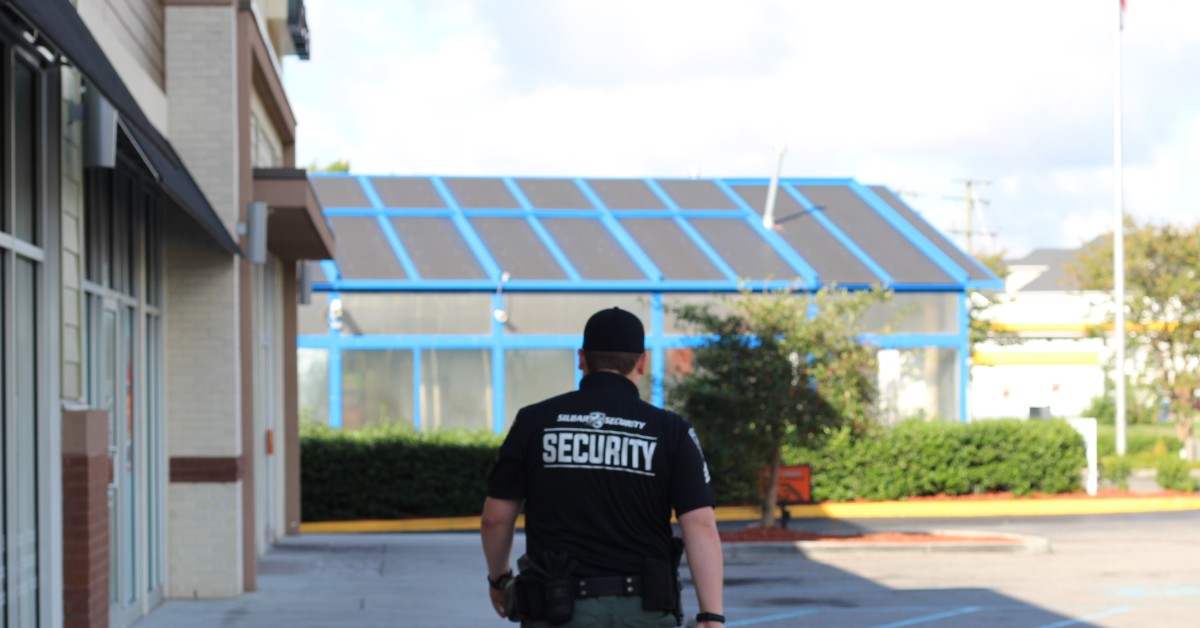
When businesses evaluate security services, one of the most common strategies is opting for minimum coverage. A single guard on limited hours. Basic patrols without supervision. Coverage designed to meet insurance or contractual requirements—but little more.
On paper, minimum coverage appears cost-effective. In practice, it is one of the most common reasons security programs fail.
As threats, liability standards, and public expectations continue to evolve in 2026, minimum coverage security is increasingly misaligned with real-world risk. Understanding why it fails—and what to do instead—can prevent costly incidents before they happen.
What “Minimum Coverage” Really Means
Minimum coverage security is typically defined by:
- The lowest number of guards required to meet a baseline requirement
- Limited shifts that leave gaps during evenings, weekends, or high-risk periods
- Little to no site-specific training
- Minimal supervision or performance oversight
While this approach may technically check a box, it rarely provides meaningful protection. Security becomes symbolic rather than functional — present, but ineffective.
Failure Point #1: Inadequate Deterrence
One of the primary functions of security is deterrence. Criminals, trespassers, and disruptive individuals assess risk quickly. Sparse or inconsistent coverage sends a clear signal: enforcement is weak.
Minimum coverage often results in:
- Predictable patrol schedules
- Unmonitored access points
- Guards stretched too thin to maintain visibility
When security presence is limited, bad actors learn when and where they can act with minimal resistance. Deterrence only works when security is visible, consistent, and credible.
Failure Point #2: Guards Are Overextended and Reactive
A single guard covering a large site — or multiple responsibilities — cannot be everywhere at once. This creates a reactive security posture rather than a proactive one.
Common consequences include:
- Missed incidents due to divided attention
- Delayed response times
- Increased stress and fatigue for guards
- Higher likelihood of mistakes or escalation
Overextended guards are not just less effective—they are more likely to burn out or leave, further weakening coverage.
Failure Point #3: Gaps in Coverage Create Liability Exposure
Minimum coverage often leaves critical gaps:
- Overnight hours
- Shift changes
- High-traffic periods
- Special events or operational changes
From a liability standpoint, these gaps matter. If an incident occurs during a known vulnerability window, businesses may face:
- Negligence claims
- Insurance disputes
- Regulatory scrutiny
- Costly litigation
Courts and insurers increasingly examine whether security measures were reasonable, not merely present. Minimum coverage can fail that test.
Failure Point #4: Lack of Site-Specific Knowledge
Effective security depends on understanding the environment. Guards must know:
- Normal vs. abnormal behavior
- Traffic patterns and access points
- Tenant, staff, or customer routines
- Site-specific risks and protocols
Minimum coverage programs often rely on:
- Rotating personnel
- Minimal onboarding
- Little time to learn the site
This lack of familiarity reduces situational awareness and increases the chance that warning signs go unnoticed.
Failure Point #5: Poor Incident Management and Documentation
When security incidents occur, what happens afterward is just as important as the response itself.
Minimum coverage often lacks:
- Clear escalation procedures
- Detailed incident reporting
- Supervisor involvement
- Follow-up analysis
Without proper documentation and communication, businesses are left exposed—unable to demonstrate due diligence or learn from past events.
Why Businesses Choose Minimum Coverage (And Why It Backfires)
The appeal of minimum coverage is understandable. Businesses face budget constraints, rising costs, and pressure to reduce overhead. Security can appear as a line item to minimize rather than a risk to manage.
However, the short-term savings often disappear when:
- An incident disrupts operations
- Insurance premiums rise
- Tenants or customers lose confidence
- Legal costs exceed years of security expenses
Minimum coverage rarely fails gradually—it fails suddenly, and publicly.
A Better Approach: Risk-Aligned Security Coverage
Instead of asking, “What is the minimum we can get away with?” businesses should ask:
- What risks are most likely at this site?
- When are vulnerabilities highest?
- What level of response is required to control incidents effectively?
Risk-aligned security focuses on:
- Matching staffing levels to actual threat exposure
- Prioritizing high-impact times and locations
- Ensuring guards are trained, supported, and supervised
- Using technology to enhance—not replace—human judgment
This approach delivers stronger outcomes without unnecessary overstaffing.
The Role of Professional Security Partners
A professional security provider does more than supply personnel. They help businesses:
- Conduct site-specific risk assessments
- Design coverage that adapts to changing conditions
- Monitor performance and retention
- Adjust staffing before problems emerge
Strong security programs evolve with the business—not just when something goes wrong.
Minimum Coverage vs. Meaningful Protection
In 2026, security failures are rarely caused by a total absence of protection. They are caused by insufficient protection—coverage that looks adequate until it’s tested.
Minimum coverage security often fails because it:
- Underestimates real-world risk
- Overloads frontline personnel
- Leaves predictable gaps
- Creates false confidence
Meaningful security, by contrast, is intentional, proactive, and aligned with how people actually use a space.
Investing in Security That Works
Security should not be judged by how little it costs, but by how well it performs when it matters most. Businesses that invest in appropriately scaled, professionally managed security programs protect more than assets—they protect people, reputation, and continuity.
The true cost of minimum coverage is rarely visible upfront—but it becomes painfully clear after the first serious incident.
Silbar Security works with organizations to design security solutions that go beyond minimum coverage—focusing on effectiveness, reliability, and real-world risk. Contact our team to evaluate whether your current security program truly protects what matters most.