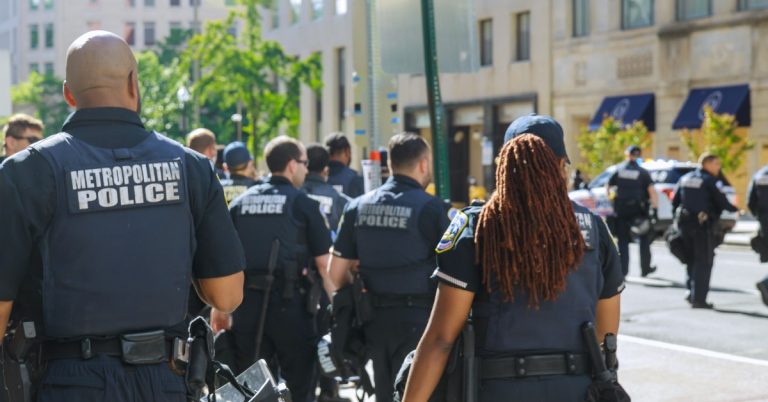
Having professional security guards or officers on-site is only one part of maintaining a safe environment. To maximize their effectiveness, it’s essential that your staff know how to work with security teams. Proper training ensures that everyone understands protocols, communicates effectively, and responds appropriately in emergencies.
Start with Clear Communication
The first step is making sure your staff knows who the security team is, how to reach them, and what types of situations require their assistance. Introduce your security personnel during onboarding or staff meetings and provide contact information for quick access. Establish clear channels for reporting suspicious activity, safety concerns, or incidents so staff feel confident and empowered to reach out when needed.
Educate on Roles & Responsibilities
Your employees should understand the role of security staff versus their own responsibilities. Security teams are trained to monitor premises, respond to incidents, and enforce safety protocols. Staff should focus on their normal duties but know when and how to involve security. Clarifying these roles reduces confusion, prevents overstepping boundaries, and ensures that both teams work together smoothly.
Teach Basic Safety Protocols
Training staff on basic safety practices reinforces the security team’s efforts. This can include emergency evacuation procedures, recognizing potential threats, proper access control measures, and what to do in case of fire, medical emergency, or suspicious activity. When staff are aware of these protocols, security teams can operate more effectively and respond quickly to incidents.
Promote a Collaborative Culture
Encourage staff to view security personnel as partners rather than enforcers. Foster a culture where employees feel comfortable reporting concerns and asking questions. Regular meetings or debriefs between staff and security teams can help address issues, update procedures, and ensure everyone is aligned on safety priorities.
Conduct Regular Drills and Reviews
Practical experience helps staff work seamlessly with security personnel. Conduct regular drills for fire, lockdowns, active threats, or other potential emergencies. Afterward, review performance, communication, and coordination with the security team. Continuous improvement ensures both staff and security personnel are prepared for real-world situations.
Leverage Feedback & Continuous Learning
Encourage staff to provide feedback on how security teams are supporting them and where improvements can be made. Security teams can also share observations and recommendations based on incidents or daily operations. This two-way communication strengthens the relationship and helps create a safer, more efficient workplace.
The Silbar Approach
At Silbar Security, we don’t just provide security guards – we work with your team to ensure safety is a shared responsibility. Our personnel are trained to collaborate with staff, provide guidance, and maintain a professional, approachable presence. When your employees know how to work alongside security, everyone benefits from a safer, more secure environment.
Conclusion
Training your staff to work effectively with security teams is a vital component of any safety plan. Clear communication, understanding roles, practicing protocols, and fostering collaboration ensures that security personnel can do their jobs effectively while your employees feel safe and supported. With the right preparation, your team and security professionals can work together to protect people, property, and create peace of mind.